


The complete wedge guide (Loft, Bounce, Grind and what is best for you)
Golf wedges are short game clubs designed for precision, spin and control around the greens. Typically used for most shots within 120 yards, they play a crucial role in scoring and can make up a large part of a golfer’s performance. There are 4 main types of wedges: Pitching, Gap, Sand and Lob, each with different lengths, lofts and distances, similar to how irons are spaced throughout the set. Choosing the right combination is essential, as wedges vary in loft, grind and bounce which are all factors that influence how the club interacts with the turf and performance for different swing types. Most golfers tend to carry 3 or 4 wedges so it’s important to select options that properly fill your distance gaps and suit the conditions you play in. The best wedges aren’t always the newest or most expensive, they’re ones that match your loft gapping, swing type and course conditions.
Main Takeaways
-
Wedge performance depends on loft, bounce and the grind.
-
Most golfers carry 3-4 wedges in their bag to cover a wide range distances
-
Beginners should prioritise forgiveness and versatility over spin control
-
New wedges cost around £130-180, while high quality used wedges cost £50-100.
The main aspects to consider when buying wedges
Loft & Gapping
The loft of a club refers to the angle of the clubface and determines how high and far the ball will travel. As loft increases, shots fly higher but typically travel shorter distances.
Most golfers carry between 3-4 wedges in their set, and it’s important to stagger these lofts correctly to create consistent distance gaps. Proper loft gapping ensures you have a reliable club for every yardage, especially for shots inside 120 yards where precision is vital to scoring well.
Pitching wedges are typically included as part of an iron set, so it’s important to know the loft you’re playing. In modern iron sets, lofts have become progressively stronger to promote increased distance, meaning you can find pitching wedges as low as 42º, compared to the traditional 46-48º. Gap wedges are designed to bridge the gap between the pitching wedge and sand wedge. Traditionally 50-52º, but with the stronger pitching wedge lofts, many golfers carry an additional gap wedge or approach wedge at 48º. A sand wedge, typically built for bunkers and shorter approach shots, carries a loft of 54-56º. Finally lob wedges, the highest lofts you can find, will typically come in a 58-60º.
As a general rule of thumb, you should work from your pitching wedge down and keep 4-6º gaps between clubs to ensure consistent distance spacing. For example, if your pitching wedge is 46º, a logical setup could be 50º, 54º, 58º, or 52º and 58º. The number of wedges you wish to carry will depend on the rest of your bag as golfers are limited to a maximum of 14 clubs.
Bounce & Grind
The bounce and grind are key factors that influence how your wedges interact with the ground, making them especially important for consistency in your short game. Bounce refers to the angle between the leading edge of the club and the lowest point of the sole. It helps prevent the club from digging into the turf or sand, instead allowing it to glide across the ground through impact.
Higher bounce wedges are ideal for steeper swings, bunkers and softer ground conditions as they reduce the risk of heavy strikes and fat shots. Lower bounce wedges on the other hand are suited to firmer conditions and players with a shallow angle of attack. As a general rule, higher bounce wedges are considered more forgiving and easier to use for beginners and high handicap golfers.
Grind refers to the shaping of the sole, which affects how the club sits at address and how versatile it is when playing different types of shots. Different grinds remove material from the heel, toe or trailing edge, allowing for more creativity and shot making but can make the club slightly less forgiving. Most major manufacturers offer up to 6 different grind options in each of their premium wedges, all built to suit different playing styles and conditions.
For most golfers, especially beginners, a full sole grind and a high bounce wedge will offer the most forgiveness and consistency. They perform well across a variety of lies without requiring precise ball striking, making it a reliable choice as your short game develops.
Feel, Forgiveness & Head Design
Feel, forgiveness and head design are also crucial factors to consider when buying a wedge. Feel refers to the way the club communicates feedback to you at impact. A wedge with good feel allows you to sense where the ball is struck on the face, how cleanly you’ve hit it and how much spin is imparted. The sound at impact can also give immediate clues, a crisp, solid strike versus a dull contact can indicate whether you’ve hit the sweet spot or not. This sensory feedback is particularly important for delicate shots around the greens, where touch, precision and confidence matter more than distance.
The forgiveness, as with any club, refers to how well the wedge performs when you don’t strike the centre of the club. Having a wedge with a forgiving design ensures that mishits still fly close to the intended distance and direction. Forgiveness is largely influenced by the club’s head design, including perimeter weighting, cavity shape and mass distribution. Largely, slightly wider heads provide more stability and higher MOI, helping maintain ball speed and trajectory on imperfect strikes.
It’s important to note that feel and forgiveness are often inversely correlated. Forgiving wedges often have less feel, while wedges with sharp feel punish mishits more severely. Finding a balance between these two factors ensures the club communicates well while still giving enough forgiveness to stay consistent. Ultimately, the combination of feel, forgiveness and head design will determine how confident you feel on shots around the green. Choosing wedges that balance these factors can make a dramatic difference in your short game performance.
Grooves & Spin Performance
Grooves are one of the most important features of a wedge because they directly affect spin, control and how the ball interacts with the clubface. The grooves cut into the face of the wedge help channel debris like grass and moisture away from the ball at impact, allowing for cleaner contact and more consistent spin. They also increase friction and slightly extend the time of contact between the club and ball, which generates more spin. This is especially important for approach shots, chips and pitches, where controlling trajectory and stopping the ball quickly on the green can save strokes.
Each major club manufacturer has unique groove and face designs, often including precision milled grooves designed to maximise spin and control on full shots and on those around the greens. The new TaylorMade MG5 wedges for example, have introduced their new Spin Tread Technology, built to maintain more spin and control especially in wet conditions. Just like tire treads keep your car connected to the road, Spin Tread Technology redirects water away from the clubface and increases friction with the ball at impact.
Spin performance is ultimately influenced by loft, angle of attack and quality of strike. Higher lofted wedges, steeper swings and clean contact often produces higher spin numbers, giving you more control on shots around the green. Maintaining your grooves is also essential for consistent spin and control, regular cleaning and occasional upgrades ensure you’re always benefiting from the latest face technologies and maximising spin.
Shaft & Weight
Like with all clubs in your bag, except maybe your putter, the shaft and weight play a crucial role in your short game performance. Shaft flex, material and weight all influence swing speed, trajectory and control, making it an important consideration when selecting wedges. Most wedges typically come in a steel shaft, providing a heavier feel, greater stability and more consistent feedback at impact. Steel shafts are ideal for players seeking accuracy and precision on short game shots, while some lighter graphite options can help beginners generate slightly more clubhead speed without sacrificing control.
Generally speaking, you should match your shaft flexes across your entire bag. Although wedges tend to be the one exception to this rule, this is because wedges quite often come in their own “wedge flex”. Wedge flex shafts are specifically designed for wedges to optimise short game performance, providing the ideal combination of control, feel and spin on short game shots. You can still get wedges in other flexes like regular and stiff, you just have the additional choice of wedge flex.
Shaft weight also affects how the wedge swings and feels. Heavier wedges provide more stability and solid feedback, while lighter wedges can help generate slightly more distance on full shots, choosing between the two comes down to a level of personal preference and what feels comfortable in your hands. Choosing the right combination of shaft material, flex and weight ensures your wedges feel natural, deliver consistent contact and give confidence on all shots around the green.
The best wedges in 2026
Titleist SM11
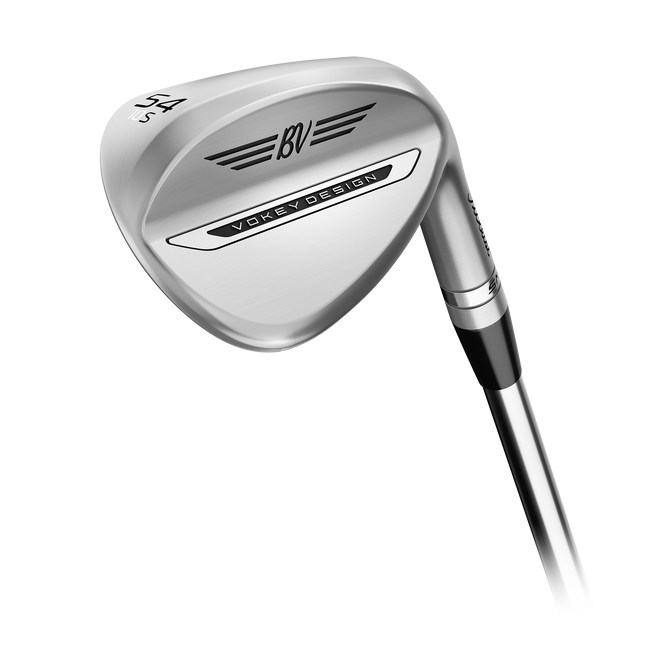
Titleist Vokey wedges have always been seen as the gold standard in short game clubs, and the SM11’s continue this legacy. They blend precision, performance and versatility in a way few others can match. Building on decades of tour validated design, the SM11 line was engineered with a meticulous focus on the three pillars of great wedge play: contact, flight and spin. With 27 unique loft, lie and bounce combinations, the SM11 caters to a wide variety of golfers looking to upgrade their short game.
The previous iteration of the spin milled series, the SM10, dominated wedge counts across all major professional tours and I imagine the SM11 will continue to do the same. Building on that proven foundation, the SM11 has refined what was already the best wedge on the market. A centralised CG within each loft creates a more consistent feel and flight. Pair this alongside a 5% increased volume on the grooves and a new directional face texture and you’ve got a more consistent wedge creating more friction and spin even in challenging conditions.
Durability has also been enhanced with heat treated heads, ensuring performance remains sharp all year round. Combined with premium finishes, six proven tour grind options and unmatched configurability, the SM11 offers a level of reliability and control that few wedges can match. It’s this combination of proven pedigree, technological refinement and adaptability that solidifies the SM11 as the benchmark wedge for 2026, making it the ultimate choice for golfers seeking to elevate their short game.
PING S259

Right behind the SM11 is the PING S259, designed as the successor to the well regarded S159 family. The S259 builds on the strengths of the previous model but uses refinements that elevate spin control, versatility and performance around the greens.
A key part to the S259’s appeal is its precision milled, wheel cut groove technology, with varying groove dimensions tailored to each loft. Tighter spaced MicroMax grooves for higher lofts and increased groove volume on the lower lofts, helps generate consistent spin and control from both full swings and finesse shots. The face also receives an advanced blast finish that enhances surface friction, improving launch and spin even in adverse conditions such as wet turf while also improving the durability of the wedges.
There are six grind options, same as the SM11, and a grand total of 25 loft, bounce and grind combinations. The sole grinds have been thoughtfully updated across six options, with refinements to the E and T grinds and additional loft/grind pairings, giving golfers of all skill levels better options for proper gapping and turf interaction. Lower lofted wedges feature a straighter leading edge and lower CG for better full swing integration, while higher lofts offer more visual offset and compact hosels for finesse around the greens.
Constructed from 8620 carbon steel with a soft yet responsive feel and offered in two finishes, the S259 combines a tour inspired profile with playable versatility, making it a must consider wedge for golfers seeking high spin, reliable stopping power and confidence building performance in 2026.
TaylorMade MG5

TaylorMade’s MG5 represents a major evolution in their Milled Grind series, most notably because it’s the first fully forged entry in the line, constructed from ultra soft carbon steel to deliver an exceptionally soft feel, responsiveness and versatility that low handicap and experienced players seek around the greens. This forging process ensures impressive consistency and exceptional feedback on every pitch, chip and bunker shot.
What sets the MG5 apart is its aggressive saw milled groove design. These tighter tolerance, steeper edged grooves maximise the friction on the ball, increasing spin and stopping power on approach shots, even in wet and damp conditions. Combined with TaylorMade’s new Spin Tread Technology and a raw face finish that channels moisture away at impact, just like tire treads keep your car connected to the road, Spin Tread Technology redirects water away from the clubface and increases friction with the ball at impact. The MG5 demonstrated excellent spin retention and control in a wide range of environments.
Same as the wedges above, TaylorMade also offers six tour inspired grind options in the MG5. These enable golfers to tailor sole design to their swing type and course conditions. With its compact, blade style shaping, the MG5 prioritises precision, workability and feedback over forgiveness, making it a perfect fit for low to mid handicap players who value shot shaping and control around the greens. Its refined shaping, premium feel and high spin performance make the MG5 a wedge that rewards skillful play, standing out as one of the best choices for players seeking tour level performance rather than forgiveness.
Cleveland RTZ

Cleveland has long been a pioneer in wedge design, introducing innovations like the cavity back wedge, rotex face milling, and progressive grind technology that have shaped modern short game clubs. Today, the brand continues to produce some of the best wedges on the market, combining tour proven performance with a focus on feel, spin and versatility. The Cleveland RTZ wedge is a prime example of this commitment, earning its place as one of the standout wedges for 2026.
Built from Cleveland's new Z-Alloy, a new steel formula that’s softer, more durable and less dense than 8620 steel. Giving the RTZ superior feel, better forgiveness and more consistency. The wedge is available in a wide loft range from 46º to 64º, with multiple grind and bounce options, including their new ADAPT grind that allows golfers to maintain full face grooves at higher lofts. This variety ensures the RTZ can be tailored precisely to different swings, turf conditions and short game strategies.
Technologies like HydraZip face milling and sharp UltiZip grooves give the RTZ exceptional spin and stopping power, even from wet or softer lies. Golfers benefit from controllable mid height trajectories, smooth turf interaction and precise control around the greens. Aesthetically, the RTZ wedges are second only to the Mizuno’s below on this list. They feature a classic blade style profile and clean lines at address, appealing to experienced players who value shot making precision over forgiveness. This blend of craftsmanship, technology and playability cements the RTZ as one of the most complete wedges on the market this year.
Mizuno Pro T-1

Short game control relies heavily on feel, and if you’ve ever hit a Mizuno, you’ll know there’s something genuinely different about it. The Mizuno Pro T-1 builds on that reputation, offering a level of feedback and responsiveness that immediately stands apart from everything else on the market. The T-1 brings a refined new look to its predecessor the T24 wedge.
Forged using Mizuno’s renowned Grain Flow Forged HD process at their exclusive Hiroshima facility, the T-1 wedges combine 1025 pure select mild carbon steel with a copper underlay for an unparalleled feel. The copper underlay helps fine tune vibration at impact, giving golfers a more connected sensation on delicate chips, pitches and full shots.
In terms of performance, Mizuno has equipped the T-1 with Quad Cut+ grooves and hydroflow micro grooves, ensuring consistent spin and control in both dry and wet conditions. Whether you’re attacking pins from the fairway or playing touch shots around the greens, the T-1 offers reliable stopping power and a predictable ball flight. Mizuno also provides a wide range of sole profiles, allowing players to fine tune turf interaction to suit their swing and typical course conditions. The compact tear drop blade shape and minimal offset give the wedge a clean, traditional look at address making it in my opinion the best looking wedge out there. While it prioritises feel and control over outright forgiveness, the T-1 is a superb option for low and mid handicap golfers looking to elevate their short game with a truly premium wedge.
Callaway Opus SP+

Callaway’s new Opus SP+ wedge represents a modern take on short game performance, combining advanced spin technology with a confidence inspiring profile. Callaway has consistently pushed wedge innovation in recent years, and the Opus range continues that trend, with the SP+ sitting as a standout option for golfers who prioritise maximum spin and control.
At the heart of the SP+ is Callaway’s Spin Gen Face Technology, which combines tighter pitch grooves, offset groove-in-groove milling and a new face blast to increase friction at impact. The result is exceptional spin rates across a wide range of shots, particularly on partial swings and greenside shots where contact is crucial. This makes the SP+ especially effective for players looking to attack pins with confidence.
The SP+ also features a slightly more compact, tour-inspired shape compared to more forgiving wedges in the market, with a straighter leading edge and refined profile at address. This design will appeal to players who prefer a clean look behind the ball and the ability to manipulate face angle for a variety of shot types. Callaway also offers a wide variety of grind and bounce options, allowing golfers to tailor the wedge to tier swing and course conditions. Combined with a soft yet solid feel at impact, the Opus SP+ delivers a balanced blend of feedback and performance.
While it leans towards players who generate consistent strike and clubhead speed, the Callaway Opus SP+ stands out as the highest spinning wedge of 2026, a strong choice for golfers looking to maximise control and precision around the greens.
Cleveland CBZ

Cleveland is the only brand to feature twice on this list, a testament to their long standing expertise in innovation and wedge design. While many of the wedges featured above lean towards tour inspired, blade style designs, the Cleveland CBZ offers forgiveness as a priority. The CBZ features a cavity back design, redistributing weight to increase forgiveness and stability on mishits. Combined with Cleveland’s signature ZipCore technology, this helps position the centre of gravity more centrally, resulting in more consistent contact and improved overall performance.
Their new Z-Alloy steel, as mentioned above in the RTZ section, offers a softer, lighter and more durable construction. This enhances the feel so it feels as good as a forged wedge but it still has the cavity back design to improve performance on mishits, ideal for golfers who want more confidence in their short game. Spin performance is equally impressive thanks to the HydraZip face technology, which uses specialised face blasting and laser milling to maintain friction in wet conditions, ensuring reliable control from a variety of lies.
The CBZ also simplifies things with loft specific sole grinds, meaning each wedge is optimised for its intended use, from full shots with gap wedges to flops and bunker shots with higher lofts. With its confidence inspiring shape, high levels of forgiveness and consistent spin performance, the Cleveland CBZ is the best choice for mid to high handicap golfers looking to improve their short game in 2026.
Cobra KING
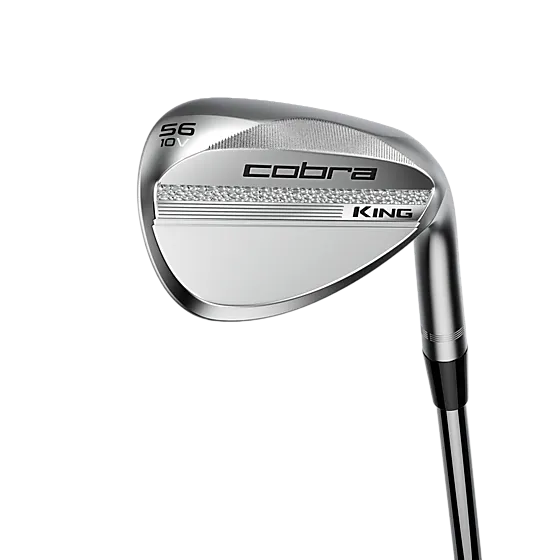
Last but not least on our list is the Cobra KING wedge. Designed with a modern approach to both feel and forgiveness, they offer a compelling balance between tour level performance and user friendly playability, making them one of the most versatile wedges in 2026. At the heart of the King wedge is Metal Injection Molding (MIM) construction, which allows for significantly tighter manufacturing tolerances compared to traditional casting. This means a softer feel and more consistent performance across the face, something that’s traditionally associated with forged wedges, while also improving overall durability.
Cobra has also introduced Flight Window Technology, positioning the centre of gravity differently depending on loft to optimise trajectory and spin. Lower lofts produce a more penetrative ball flight on full shots, while higher lofts create a higher launch and greater control around the greens. Alongside this, the redesigned Speed Notch improves turf interaction and helps maintain clubhead speed through impact, enhancing spin and consistency from a wide variety of lies.
With 4 different grind options available (drop, widelow, versatile, tour), the King wedge caters to a broad range of golfers, abilities and conditions, offering a high level of versatility. The slightly more forgiving profile compared to a traditional blade wedge also inspires confidence at address. For golfers looking for a wedge that blends modern technology, strong spin performance and added forgiveness, the Cobra KING stands out as a well rounded and highly capable option in 2026.
How do wedges vary in size and loft?
Wedges are designed to cover the shortest distances in your bag and small changes in loft or size can have a big impact on performance. Understanding these differences is key to building a well balanced short game setup.
Each wedge has a defined loft range, directly affecting distance, trajectory and spin. Wedges are shorter than irons, allowing golfers greater control and precision on approach shots. Standard men’s lengths and loft ranges are typically as follows:
|
Wedge |
Loft Range (º) |
Men’s Standard Length (in) |
|
Pitching |
42-48 |
35.75 |
|
Gap |
50-52 |
35.50 |
|
Sand |
54-56 |
35.25 |
|
Lob |
58-64 |
35.00 |
Lower lofted wedges like a pitching wedge or a gap wedge are typically used for fuller shots and longer approach play, while higher lofted wedges like the sand and lob are designed for shorter shots that require more finesse and control around the green. As I’ve already mentioned above, it’s essential to gap your wedges properly to avoid large distance gaps within your bag.
Wedges also come in different head shapes, similar to irons. Cavity back designs are built for forgiveness and consistency across the face, while blade style designs with traditional shaping for maximum feel and control. Both styles are suited to different types and abilities of players, so it’s important to choose the right style to match your game.
How to properly maintain your wedges
Once you’ve bought yourself some wedges, it’s important to properly look after them - because let’s be honest, most golfers don’t. While this should apply for all of your clubs, your wedges are used on shots that require the most control, spin and precision. Proper maintenance might not be glamorous, but keeping your wedges clean and in good condition preserves feel, consistency and spin, helping your short game stay sharp for a longer period of time.
The first step in club maintenance is storing your clubs properly. Avoid leaving your bag in cold, wet or damp conditions such as outside or in a garage, as moisture can cause rust and damage the finish. If you play golf in the rain, make sure you dry your clubs thoroughly instead of leaving a soggy bag in the boot of your car.
Dirt, sand and grass buildup kills your spin and control. Grooves are on the face for a reason, they channel debris away from the ball and help create more spin. Whether it’s after every shot or after every round, give your grooves a clean with a towel, groove cleaner or even a small brush. Most golfers carry one of these but far too many are too lazy to use them.
Grooves naturally wear down with consistent use, reducing the spin and control around the green. Periodically checking the condition of your grooves and occasionally sharpening them keep them in top condition and performing their best. A groove sharpener is inexpensive and widely available in professional shops or online and can go a long way in long term performance of your clubs and wedges in particular.
Conclusion
Choosing the right wedges is about more than brand or price, it’s about loft, bounce, grind, feel and how they suit your swing and course conditions. At Next2NewGolf, we focus on helping you understand these factors so you can build a short game setup that’s consistent, versatile and confidence inspiring. Whether you’re a beginner who’s unsure on what to look for or a scratch golfer aiming to upgrade, our team is here to help you find the perfect fit for your game. And while you're here, why not explore our other guides on clubs, shafts and more.
